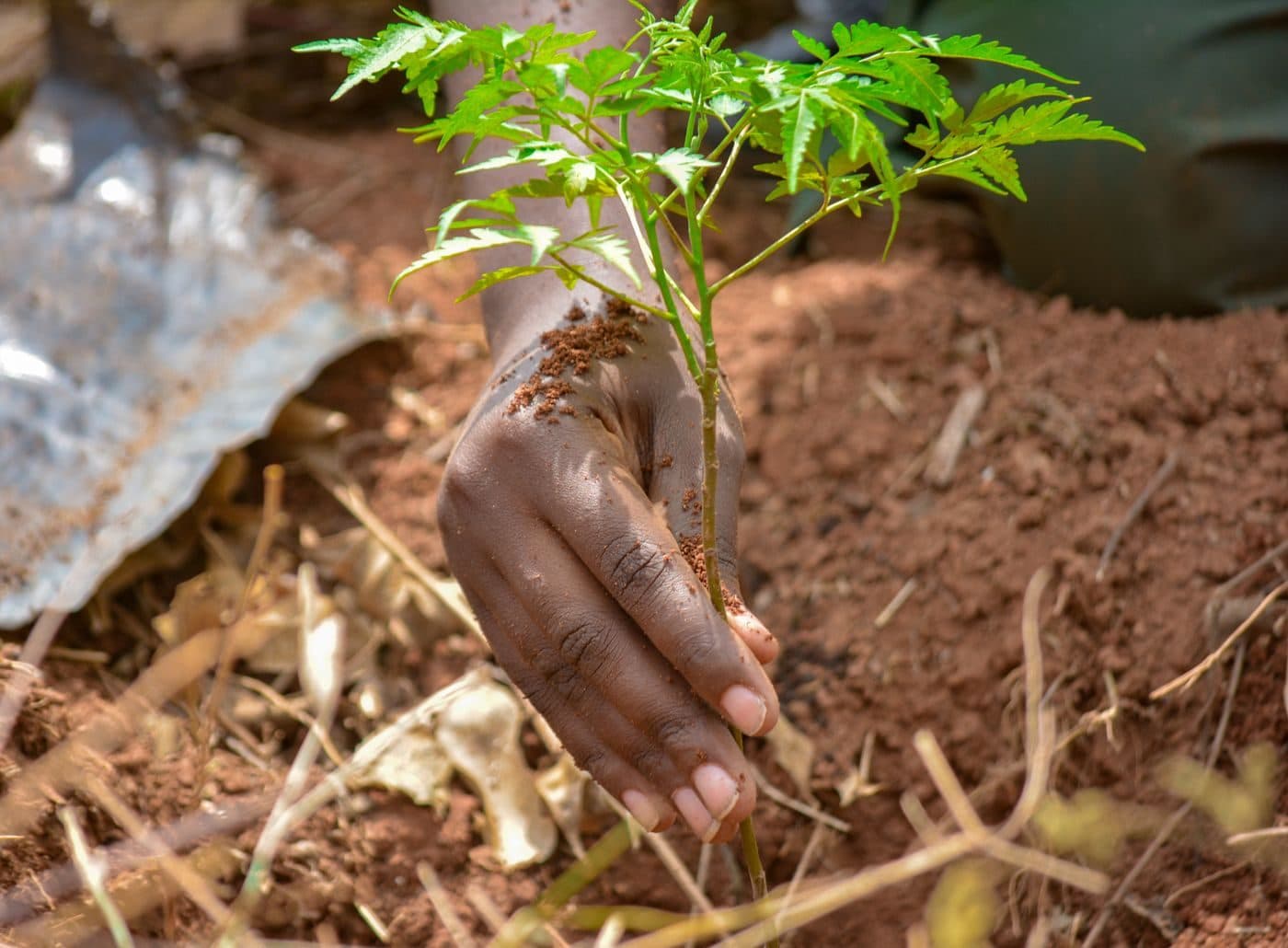
A plantation programme built backwards from the reason plantations fail
Most corporate plantation money is spent well and lost anyway, because nobody is paid to keep the saplings alive once the photographs are taken.
- Stages from land agreement to final count
- 6Stages from land agreement to final count
- Summers of paid maintenance per site
- 2Summers of paid maintenance per site
- Odisha districts with resident field teams
- 3Odisha districts with resident field teams
How a site will be established
Six stages, in order. This is the programme we are building, not work already completed. Each stage exists because skipping it is how plantations are lost.
Site and tenure
The gram panchayat will identify land and pass a resolution covering access and maintenance. Nothing will be planted before tenure is on paper, because unclear tenure is the single most common reason a plantation is lost.
Species plan
A district-appropriate mix of native and medicinal species will be drawn up, weighted toward species with a use value to the village so that the standing tree is worth more than the felled one.
Custodian group
A named self-help group already working with IIES will take the maintenance contract. Watering, replacement and protection through the first two summers will be paid work, not volunteering.
Planting
Pitting, planting and guarding will be carried out with the custodian group. Each site will be recorded with counts, species breakdown and location at the point of planting.
Survival audit
Sites will be re-counted on a fixed schedule. Losses will be replaced within the same season and the replacement recorded separately from the original count.
Partner reporting
The funder will receive the surviving count with photographs and location data, in the format required for the CSR annual return.
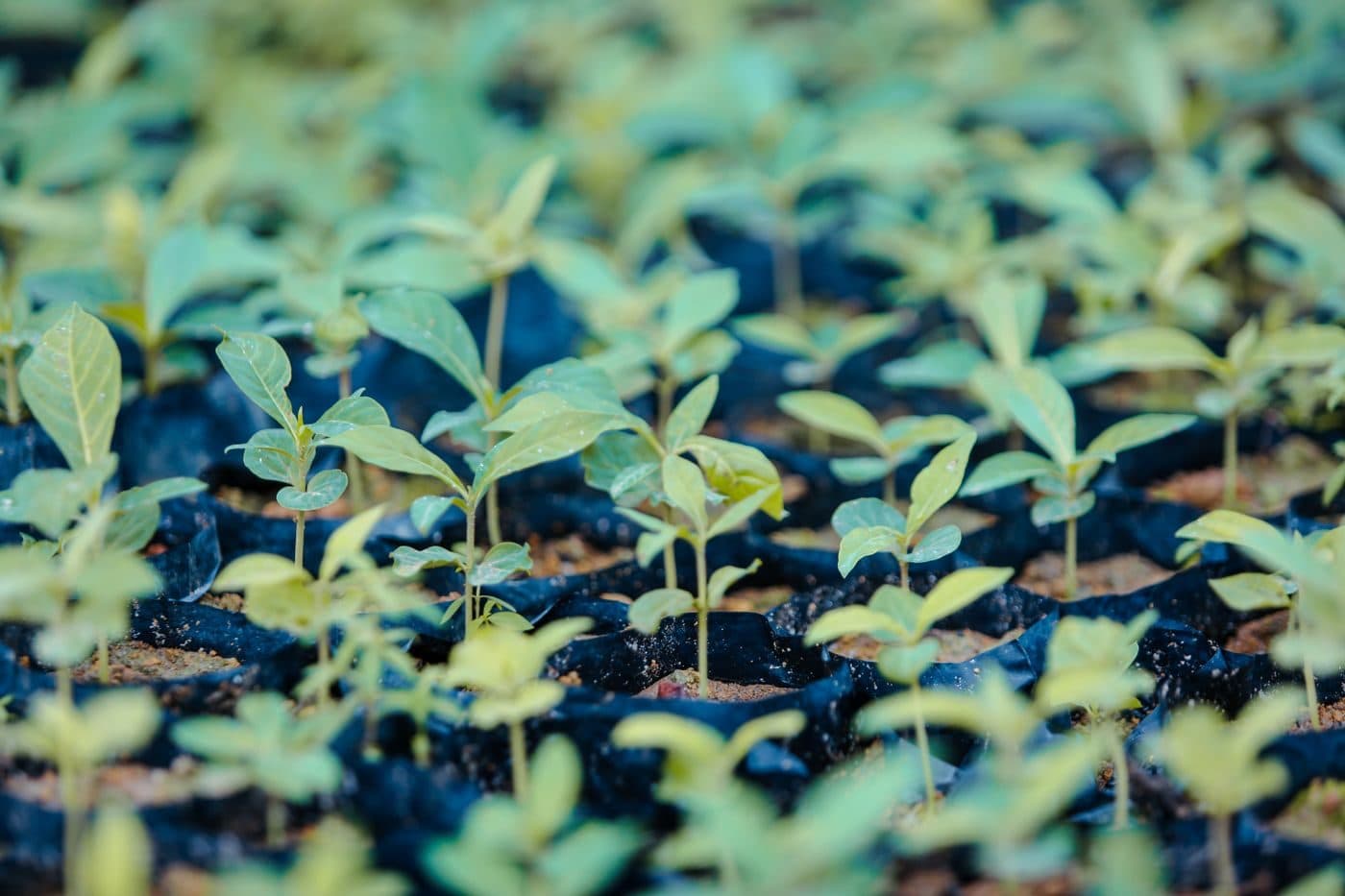
Species chosen for use value
A village protects a tree it has a reason to keep, so the mix will lean toward species with a use value. A share of every site should be worth more standing than felled.
Shatavari (Asparagus racemosus) is the species behind the national awareness campaign we submitted to the AYUSH ministry in February 2026, and one we would expect in the mix.
- Herbal Garden and Awareness
- Environmental Awareness
- Water and Sanitation (Swachh Bharat Abhiyan)
- Disaster Risk Management
What gets measured below the surface
Survival is decided by root establishment through the first two dry seasons, which is exactly the period most plantation funding stops paying attention.

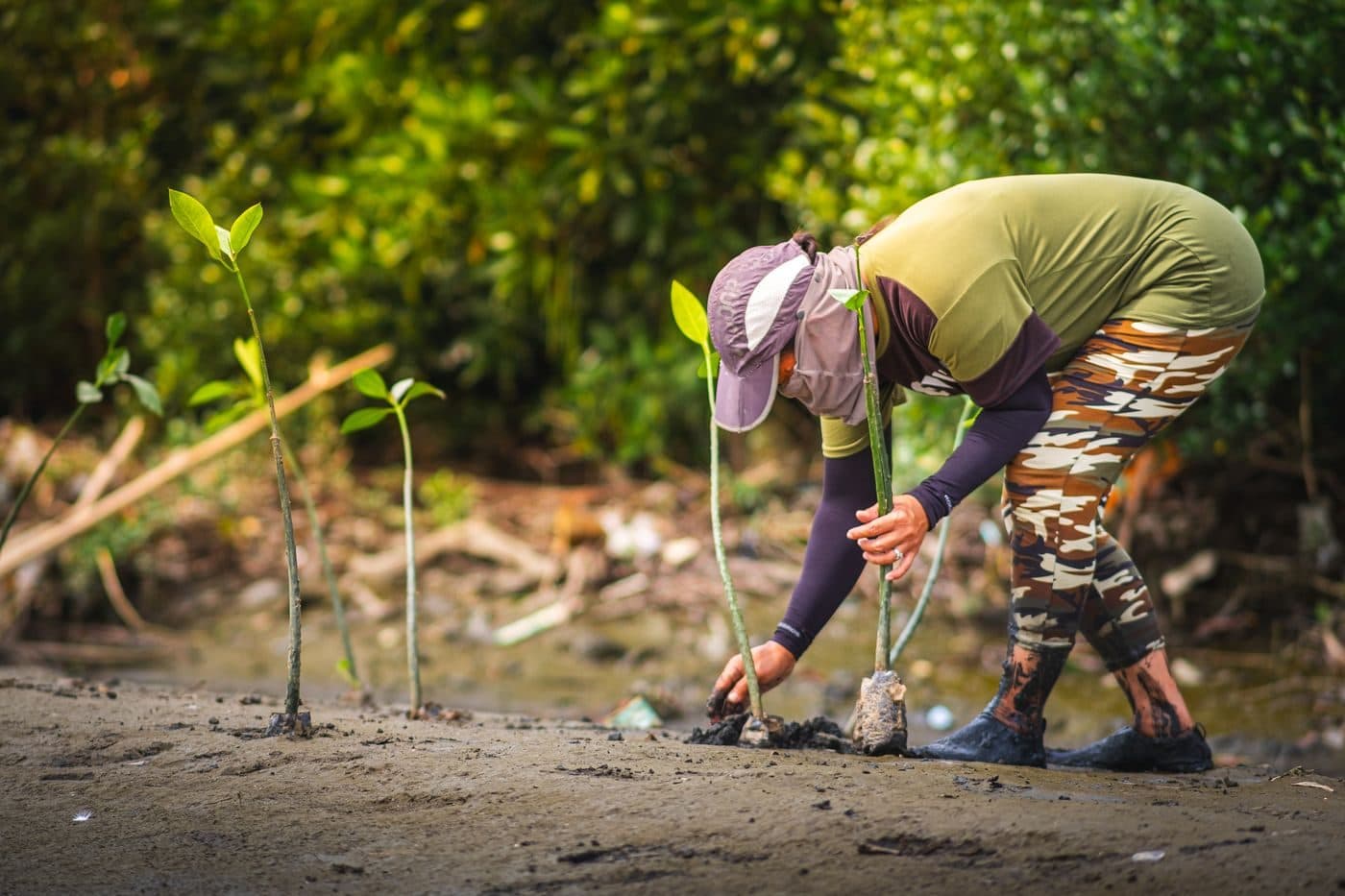
What running a site involves
- Nursery stock and species sourcing
- Site preparation, pitting and guards
- Custodian group maintenance contracts
- Replacement planting through year two
- Survival audits and geo-tagged records
- Reporting prepared for the CSR annual return
What a partner organisation gets
Schedule VII documentation
Activity records mapped to the clause the spend is reported under.
Surviving count, not planted count
The figure that goes in your report is the one that is still alive.
Site-level records
Location, species breakdown and photographs for each site funded.
A named point of contact
One person at IIES accountable for the programme through its term.
Companies Act, 2013, Schedule VII (iv)
Plantation, agroforestry and conservation of natural resources are named in the schedule, so the spend is reportable without a special case being argued.

Interested in the plantation programme?
Tell us which districts you care about and we will put together a site proposal, a species mix and a reporting schedule.